What is GSRD therapy?

Beyond LGBTQ+: understanding GSRD.

What does GSRD mean?

Our understanding of human identity, experience and the myriad of ways we live, identify, experience love and attraction and navigate the world is always adapting and growing.

That’s why, in recent years, Pink Therapy has moved beyond just using the familiar acronym of LGBTQ+, to a broader term of Gender, Sex and Relationship Diversity.

This term, academic and theoretical in origin, is not designed to replace or displace the marker LGBTQ+ (or any other forms of acronym or identity which people may choose), but is adopted as a professional organisation in recognition that many other marginalised communities and people also experience significant barriers to accessing knowledgeable, evidence based and affirmative mental health care, and that while there may be significant overlap (for example, experiences of pathologisation or othering based on attraction or relationship style) not all people experiencing this will identify as LGBTQ+.

Pink Therapy’s foundations are firmly of, and in, the LGBTQ+ community, and yet as practice evolved, research deepened, and theory expanded we recognised that the term “LGBTQ+” could not easily capture  the full breadth of gender, sexual and relationship diversity that we were witnessing, supporting, studying, training on, and advocating for. Rather than suggest a different community identifier, we advocated for a broader, more inclusive, academic term to describe not just the communities but also the burgeoning specialism of “GSRD Therapy”.

As always, our understanding of GSRD continues to adapt and evolve as language, life, research and communities change and develop. The following descriptions give insight into our current understanding and usage, designed to be evolving and inclusive, rather than rigid and exhaustive.
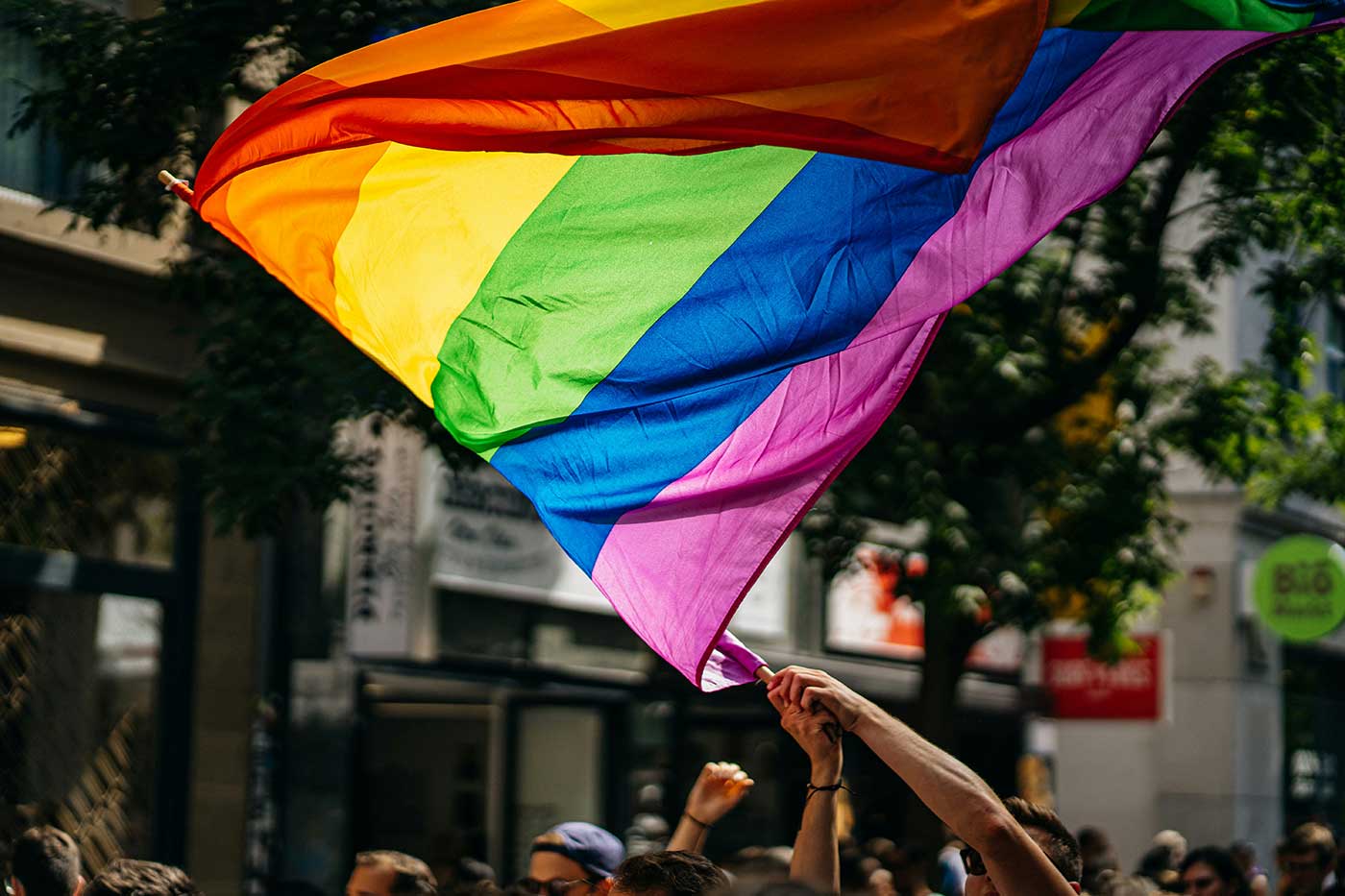
Pink Therapy has moved beyond just using the familiar acronym of LGBTQ+, to a broader term of Gender, Sex and Relationship Diversity.
Understanding GSRD

The scope of GSRD

GSRD recognises the breadth of gender, sex and relationship diversity, and the ways our understanding continues to develop.

01

Gender Diversity

Gender Diversity includes people whose gender identity or expression may differ from traditional societal expectations. It includes, but is not only limited to, trans and non-binary people, agender people, bi-gender people, those who identify as genderfluid or gender queer.

Further, it includes consideration of cross-dressing and gender performance. Importantly, it also steps out of a Western framework for conceptualising gender through a male/female, man/woman binary and holds space for Indigenous, First Nations and other gender identities and understanding which sit outside of Western colonial frameworks.

02

Sex Diversity

We use the phrase “sex diversity” and the word “sex” in several non-hierarchical ways.

Firstly, we use sex to refer to sexuality and sexual orientation, such as LGB, pansexual or asexual amongst other identities, while also broadening sex to refer to sexual expression and practices. For example, these may include consensual BDSM and kink or fetish practices engaged in by people who identify as LGBQ+ or heterosexual, and naturally also includes more mainstream sexual practices and acts.

In addition, we use sex as a reference to biological sex, including intersex people and those born with variations in sex characteristics, such as chromosomal differences or other hormonal or genital variations.

03

Relationship Diversity

For many people, LGBTQ+ or not, healthy relationships can take many different forms. This may be consensual ethical non-monogamy, polyamorous relationships, and the differences in relationships desired and experienced by those on the aromantic and/or asexual spectrum.

There are myriad ways to have a relationship, and at Pink Therapy we believe these should have the freedom and respect to be as unique and individual as the people in them. Relationship diversity means stepping beyond historical, cultural, colonial and religious norms and ideals about what a relationship “should” be like, empowering people to explore what they want their relationships to be like.

04

Evolution

Our understanding of gender, sex and relationship diversity has continued to evolve and develop since our academic colleagues collaborated to coin the term “GSRD”, and even further since Pink Therapy was founded in 1999. We welcome, encourage and champion that evolution.

As research grows and communities shape new language to describe their experiences, lives and meaning, we remain committed to staying part of a multi-way dialogue. This helps ensure our work as therapists, educators and researchers stays in service of the diverse communities we work to support.

The Pink Therapy framework

Seven core components of GSRD therapy

These guiding principles are essential lenses through which therapists can explore, understand, support and celebrate GSRD identities.

  1. 01Practising a commitment to social justice
  2. 02Demonstrating cultural humility and cultural competence
  3. 03Understanding the specific adverse effects of oppression
  4. 04Being trauma, grief and shame-informed
  5. 05Knowing of contemporary sexology
  6. 06Integrating core GSRD theories
  7. 07Fostering joy
Continue exploring

Your next steps

Ready to Talk?

Find a therapist who understands GSRD identities and experiences.

Icon

GSRD-affirmative practitioners

Icon

UK-wide directory search

Icon

Search by identity and need